How to Find a Water Leak
Your water meter settles how to find a water leak in one quiet hour, before a licensed plumber is ever called. A bill that runs higher than the same quarter last year, with your habits unchanged, is what usually starts the search. The checks below are all safe for an owner: you are looking, not repairing.
If we're late, $100 comes off your bill

- Licensed and InsuredEvery job done by a licensed plumber. QBCC No: 15024607
- Fixed Quote FirstFlat-rate pricing, agreed before any work starts
- Lifetime Labour WarrantyBacked by our Fix-It-or-It's-Free guarantee (T&Cs apply)
- $0 Call-Out FeesNo extra charge for nights, weekends or public holidays

Strathpine's building runs stretch from the 1960s onward, and plenty of buried pipe has been in the ground since those estates went in. Reactive clay in the soil shifts with the seasons, and a high water table keeps buried joints wet through the storm months. Both work on old services quietly, which makes the meter check worth an hour of any quarter.
Start With a No-Use Meter Check
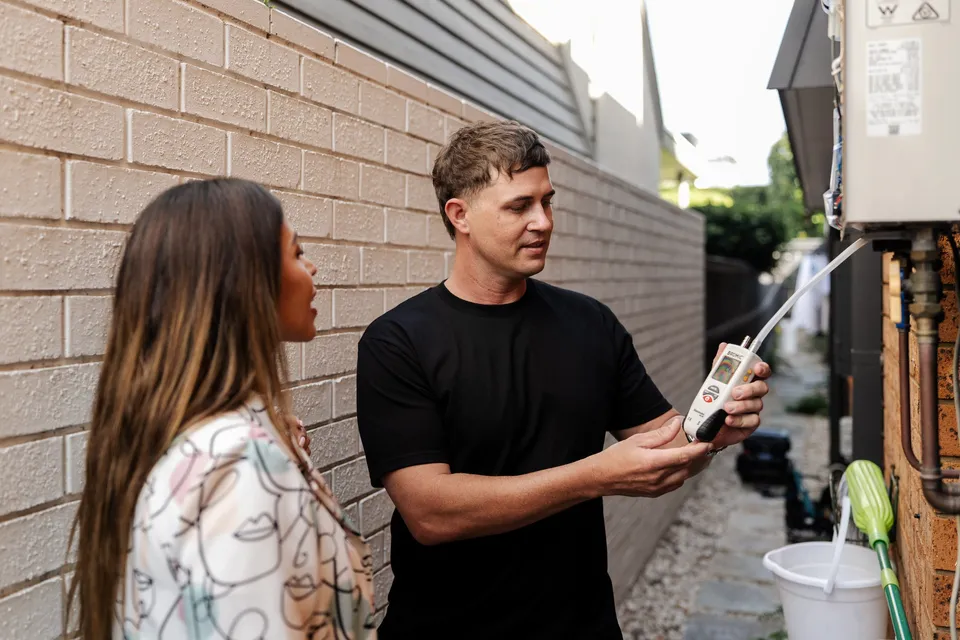
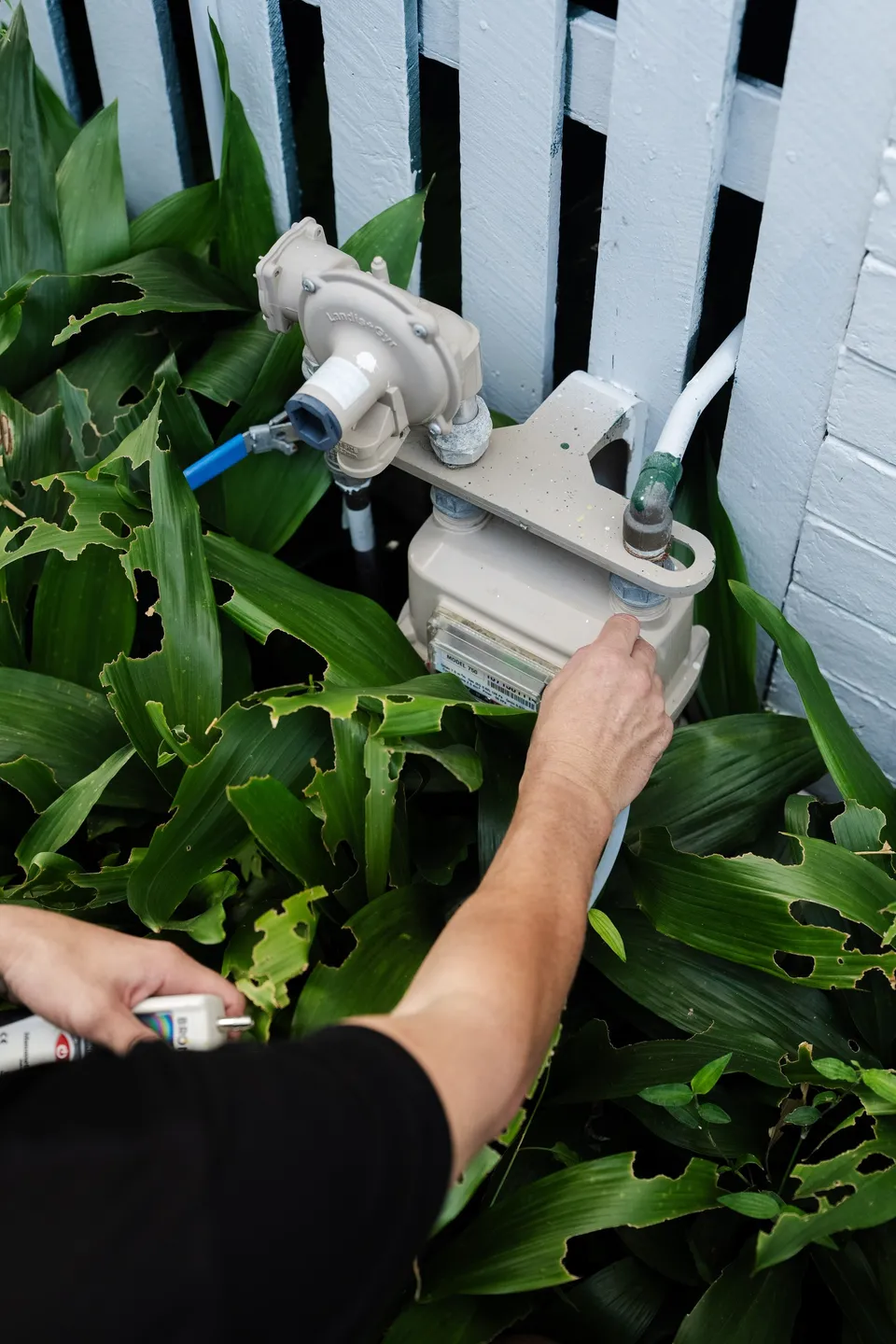
Shut down every water user on the property, photograph the digits on your meter including the red ones, wait a full hour at least, then compare. Movement in the digits or the dial points to a leak on the property side of the connection. The meter only records what passes through it, so still numbers with everything off point to normal use instead.
Getting a clean reading:
- Turn off taps, hoses, laundry appliances, dishwashers, fridges with a water connection and any irrigation.
- Photograph the meter face, red digits included, so nothing is guessed later.
- Keep the stopcock at the meter open, or the test tells you nothing.
- Keep everyone off the water for the whole hour, flushing included.
Unitywater runs a high-use program and contacts customers where possible, but the utility says not to lean on that alone. The dependable check is the one you do yourself at the meter.
Toilets, Taps, Showers and Appliances
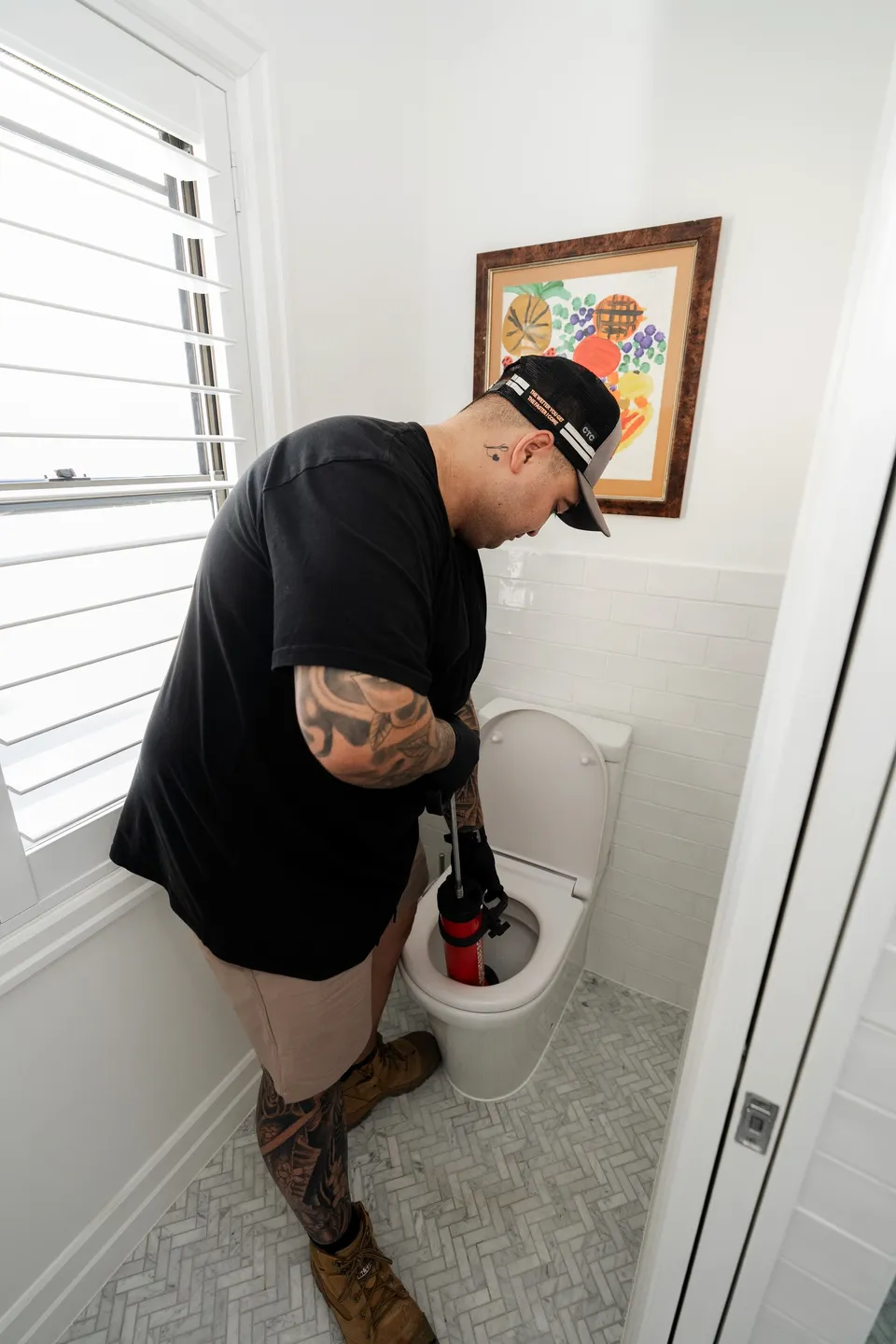
Work indoors from the most likely culprit outward: dye-test the toilets, check taps and showers, then appliances, then the surfaces. Each check takes minutes, and the simple ones rule out the most common culprits first.
The indoor hunt, step by step:
- Toilet cisterns: add a few drops of food dye to the cistern and leave it, with no flushing. Dye showing in the bowl means the cistern is losing water; flush afterwards, as the dye leaves no mark on ceramic.
- Taps and showers: confirm each is shut fully, with no weep at the spout or the wall plate.
- Fridge water connection and hot water system: look under and behind both for drips, stains or crusted mineral lines.
- Walls, ceilings and floors: damp patches or stains on plaster, a musty odour, finishes that swell or peel, and a warm spot on the floor all point to water where it should not be.
The braided hoses under sinks deserve a look as well, because ones fitted during a kitchen update years ago are often past their rated life while the room still looks new.
What the Search Tells You
Two outcomes end the hunt: a drip found at a fitting is the likely cause, and a meter that keeps turning with nothing found suggests a concealed leak. That kind of leak hides under lawns and driveways or inside wall cavities, and it can waste thousands of litres every day while staying unnoticed. A large account or visible damage is usually what finally exposes it.
Either way, the repair belongs to a licensed plumber. Queensland's plumbing regulations place a damaged pipe repair in the minor work category, which only a licensee may carry out, though it needs neither a permit nor Form 4 paperwork.
The pipes on the house side of the meter are the owner's to maintain, concealed leaks included. Unitywater looks after the mains and the public side only. What the meter result means for each side of the boundary, and how a concealed leak is traced, is covered on our leak detection page.
Garden Taps, Tanks and Other Water Users
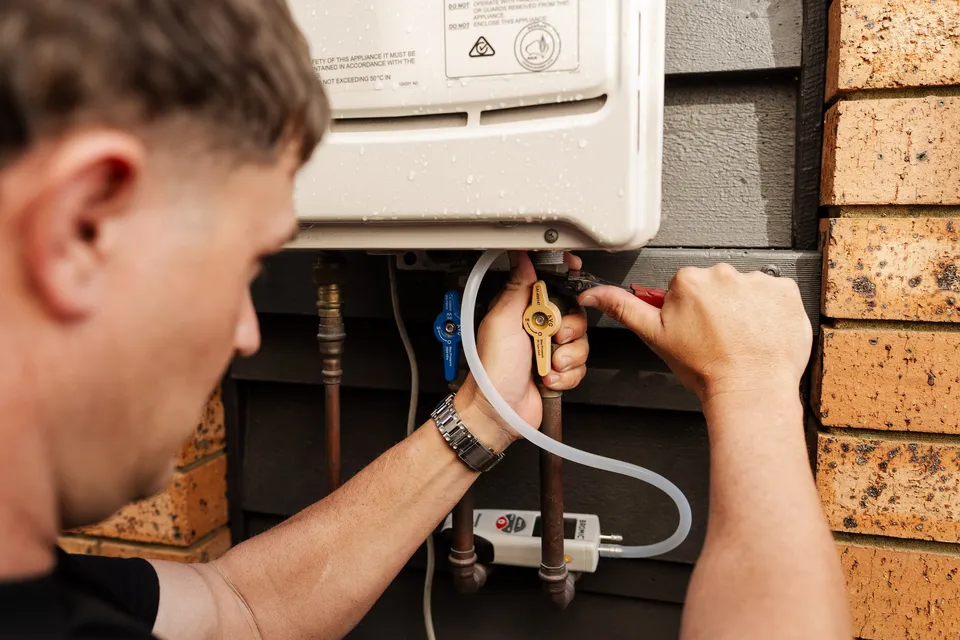
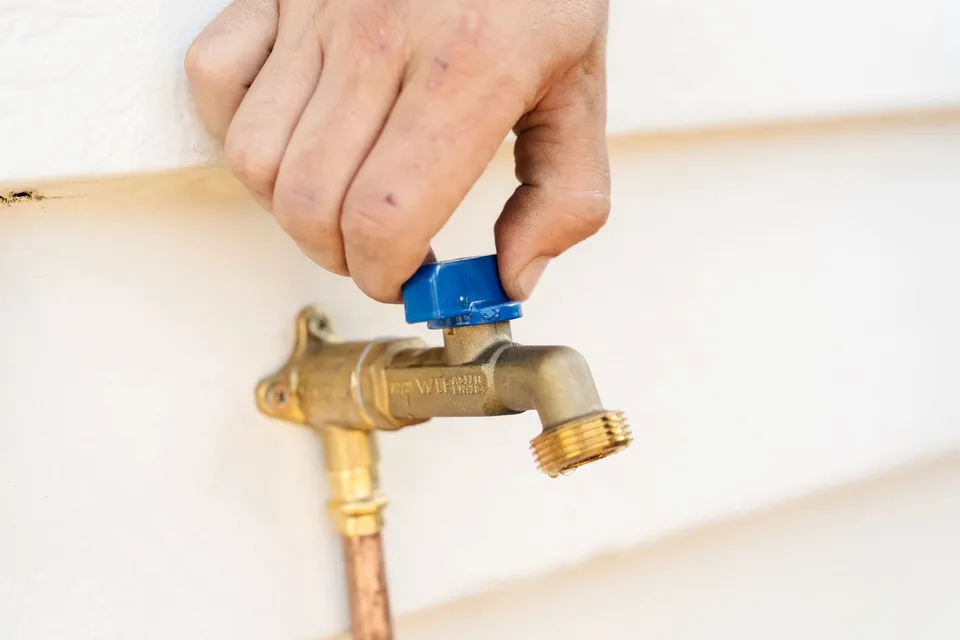
Finish outside with three checks: outdoor taps and their hose connectors, any rainwater tank, and the ground for soggy or unusually green patches. One dripping outdoor tap can shed a swimming pool's worth of water across a season, so a worn washer outside matters as much as one inside.
The outdoor sweep:
- Outdoor taps and connectors: run a finger under each nozzle and fitting for wetness with everything off.
- Rainwater tank: if the tank is connected to town water, check that town water is not trickling in to top it up. A solenoid or internal part past its best can keep adding water, and a licensed plumber checks that part.
- The ground: a lawn patch greener than the rest, spongy ground or paving that has shifted all point to a leak below.
- The pool, if there is one: stand a bucket filled with pool water on a pool step, levels matched, and mark both. Wait 24 hours without swimming, then compare: the pool falling further than the bucket points to a leak, and an equal drop is evaporation.
Soggy ground needs reading with care here, because the river-terrace soils around the Pine Rivers district offices and the low streets near the creeks hold water after rain anyway. Watch for a patch that stays wet and green while the rest of the yard dries out, not for seasonal damp on its own.
When to Call a Plumber
Ring us once the hunt points to a pipe rather than a washer. A meter that moves with every outlet shut, damp spreading inside a wall, or ground that stays soaked in dry weather all count.
The QBCC's unregulated list lets a capable owner renew tap washers and jumper valves, swap the washers in a cistern, change a shower head or replace a filter cartridge, and that is the whole list. Anything past those parts, and any pipe repair, is licensed work.
Strathpine Plumbing Services sends a licensed plumber for the lot, and the visit starts with the checks you have just done, confirmed with pressure tests. Concealed pipework repairs fall in the minor work category, so there is no permit wait before we start. To see the full range of work we cover across Strathpine, from taps to burst pipes, start at our home page.
Questions Strathpine Owners Ask
Call (07) 3524 7163Where is the water meter at my Strathpine home?
Your water meter records everything drawn onto your property, and reading it yourself is the fastest leak check. Turn every tap and appliance off, note the digits, then look again after an hour of no use. Any change points to a leak, and a licensed plumber takes it from there.
Can a hidden leak sit under a slab in Strathpine?
Yes, a concealed leak can sit under a slab. Hidden leaks also lurk beneath driveways or within wall cavities, losing serious water every day before anyone notices. The suburb's reactive clay and high water table make buried joints work hard, so leaks below floor level do occur here.
How do plumbers find a leak I cannot find?
We confirm the loss with your meter, isolate sections of pipework, pressure-test each one, listen along the pipe run and take moisture readings before opening anything. That method narrows the search to a single stretch before a floor tile or wall sheet comes off.
Can I fix a hidden leak myself?
No, repairing a damaged pipe is minor work that Queensland's plumbing regulations reserve for a licensee. The QBCC's unregulated list covers tap washers and jumper valves, the washers in a cistern, shower heads and filter cartridges, so anything beyond those parts needs a licensed plumber.

Call Us About a Hidden LeakWe'll call you back.
Phone (07) 3524 7163 for a licensed plumber in Strathpine. We work under QBCC No: 15024607, with flat-rate pricing, no hidden fees and same-day where we can.
To claim your $0 call-out fee, call (07) 3524 7163 today.