Why Your Toilet Keeps Running
A cistern that runs on wastes water day and night, and the culprit is always one of three parts. When a toilet keeps running, water is either escaping past a seal, spilling down the overflow, or being fed by a valve that will not close. Strathpine's housing stretches from the 1960s through to the 2000s, so the suburb's bathrooms hold cisterns from every hardware generation.
If we're late, $100 comes off your bill

- Licensed and InsuredEvery job done by a licensed plumber. QBCC No: 15024607
- Fixed Quote FirstFlat-rate pricing, agreed before any work starts
- Lifetime Labour WarrantyBacked by our Fix-It-or-It's-Free guarantee (T&Cs apply)
- $0 Call-Out FeesNo extra charge for nights, weekends or public holidays

This guide from your local Strathpine plumbing team explains each fault, the dye test that confirms a leak, and where the owner's work stops and a licensed plumber's work begins.
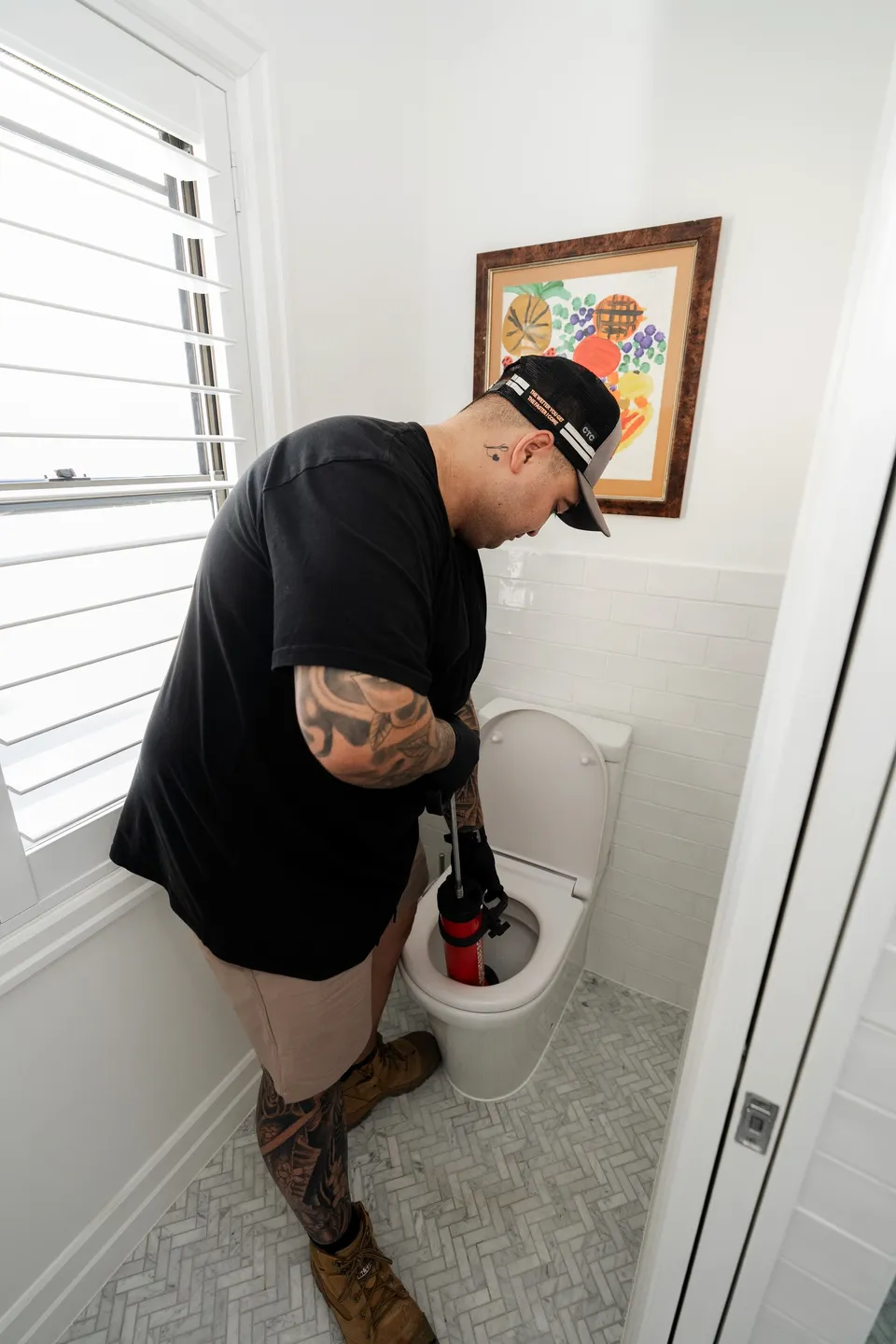
Inlet Valve, Flush Valve Seal and Overflow Explained
Three faults sit behind nearly every running cistern: an inlet valve that fails to close, a flush valve seal passing water into the pan, and an overflow spilling. Each one announces itself differently.
Inlet valve
After a flush, the inlet valve refills the tank and stops once the float lifts to its set level. If the hiss or trickle keeps going after the refill finishes, the valve is staying open.
Flush valve seal
The seal holds the stored water between flushes. Once it perishes, water slips past into the pan, the valve keeps topping up, and the toilet runs.
Overflow
The overflow acts as a safety outlet, carrying surplus water away instead of onto your floor. A drip from the outside overflow pipe means the cistern is filling past its set level, so the valve or float needs work.
One clue narrows the diagnosis further. A cistern that refills by itself between flushes, or water creeping down the rear of the pan, both point to the seal on the outlet valve.
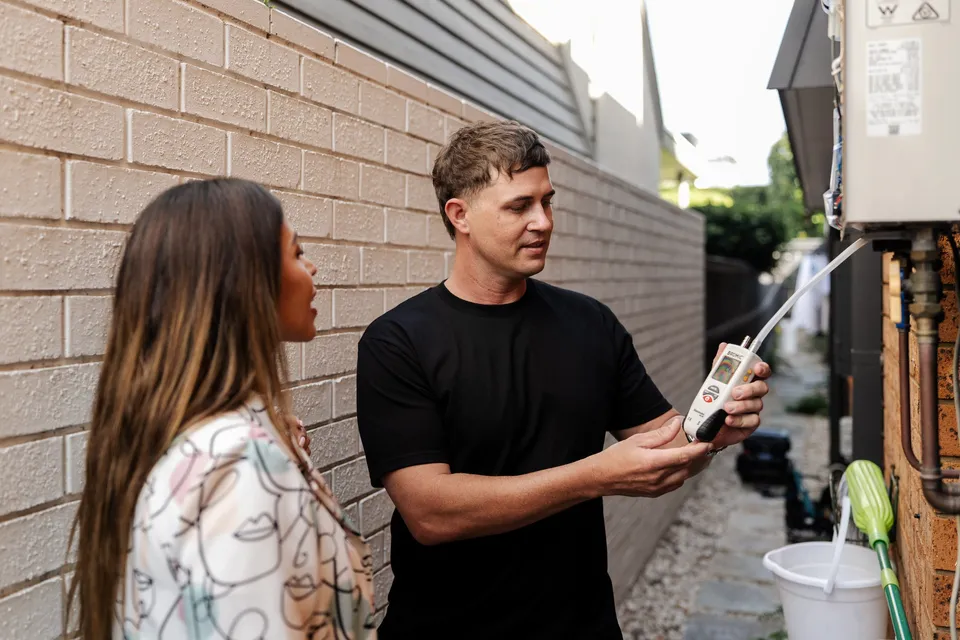
The Dye Test for a Leaking Cistern
Run the test this way:
- Lift the lid and squeeze in some food colouring.
- Leave it alone, with no flushing.
- Check the bowl. Any colour there means the cistern is losing water past its seal, which points to the outlet valve.
- Flush once you have the answer; the dye will not stain a ceramic pan.
An untouched bowl means the outlet seal holds, so check the fill side: the valve and the water level.
No colouring in the cupboard? Rest a sheet of dry toilet paper at the rear of the bowl, high above the water. It should stay dry unless water is seeping down the porcelain, which means the toilet leaks.

Slow, Partial or No Refill After a Flush
An empty or slow-filling cistern usually comes down to a blocked inlet valve, a float riding too low, or a supply tap that is partly closed. Try the supply tap first, because a partly closed tap starves the cistern however healthy the valves are.
Watch for one combination. Water keeps flowing yet the level stays low, because the seal is releasing water as fast as the valve delivers it. That pattern wastes water twice over, once on the way in and once on the way out.
The QBCC List of Unregulated Cistern Work
The QBCC allows unregulated work on three cistern parts: a drop valve washer, a float valve washer or a suction cup rubber. Anyone who has the knowledge and skill the QBCC describes may swap them, and you need no licence, approval or report for the job. The result still has to satisfy the standards the legislation and codes set.
Anything else inside a cistern is minor work, so a QBCC licensee has to do it, though no permit or Form 4 applies.
For a rental, the owner or manager must keep the place well maintained, and the tenant must report faults promptly. The state's emergency repair list covers a faulty or blocked toilet, but a running cistern is not named on it. The repair counts as routine and is done within a reasonable period.
Does the Water Utility Cover a Running Toilet
No, Unitywater's adjustment for concealed leaks does not cover cisterns, because the policy excludes water passing through leaking taps, toilets and appliances. The property owner holds primary responsibility for any leak and the loss it causes. A month of a running cistern lands on your bill with nothing offset.
When to Hand It to a Plumber
Call us when the dye test shows colour, when the cistern sits empty, or when the hiss has gone on for days. The valve and seal work beyond the owner's short list is what our toilet repairs service handles.
The attached complexes off Mecklem Street and the older houses near the City of Moreton Bay's Pine Rivers district offices carry cisterns from every era of the suburb's building runs. Parts differ across those generations, from the oldest half-flush conversions to the current button suites.
Questions About a Running Cistern
Call (07) 3524 7163How do I test my toilet cistern for a silent leak in Strathpine?
Put food colouring in the cistern and leave the toilet unflushed. Colour showing in the bowl means the cistern leaks past its seal. Flush when you are done; the colouring will not mark a ceramic pan.
Will food colouring stain my toilet bowl?
No, the colouring leaves ceramic bowls untouched, and one flush clears it away. You can repeat the test as often as you like.
Which cistern parts can I legally replace myself in Queensland?
Three parts: a drop valve washer, a float valve washer and a suction cup rubber. The QBCC classes these as unregulated work, though the result still needs to meet the standards. Anything else needs a licensed plumber.
Does Unitywater cover the cost of a running toilet?
No, Unitywater's concealed leak adjustment leaves cisterns out, and the owner of the property carries the loss from any leak. We set the repair price with a fixed quote before any work starts.

Call Us About a Running CisternWe'll call you back.
Phone (07) 3524 7163 for a licensed plumber in Strathpine. We work under QBCC No: 15024607, with flat-rate pricing, no hidden fees and same-day where we can.
To claim your $0 call-out fee, call (07) 3524 7163 today.